

What Makes a Gourmet Food Truck Different from a Regular Food Truck?
In recent years, food trucks have evolved from serving simple hot dogs and burgers to offering restaurant-quality meals on wheels. Among the various types of mobile eateries, gourmet food trucks stand out for their creativity, quality, and unique dining experience. But what exactly sets a gourmet food truck apart from a regular one?
1. Quality of Ingredients
One of the most significant differences lies in the ingredients used. Regular food trucks often focus on cost-effective, mass-produced items to serve quickly and affordably. In contrast, gourmet food trucks prioritize fresh, high-quality, and often locally sourced ingredients. Many even use organic or sustainable produce to align with modern food trends.
For example, a regular food truck might serve a basic grilled cheese sandwich, while a gourmet version would offer it with artisan sourdough, truffle oil, and locally made cheese.
2. Culinary Creativity
Gourmet food trucks bring restaurant-level innovation to the streets. These trucks are often run by trained chefs or culinary enthusiasts who want to experiment with fusion cuisine, global flavors, or upscale versions of traditional street food.
Where a regular food truck may stick to tried-and-true recipes, a gourmet food truck might rotate its menu seasonally or introduce limited-time specials to keep customers excited.
3. Presentation and Branding
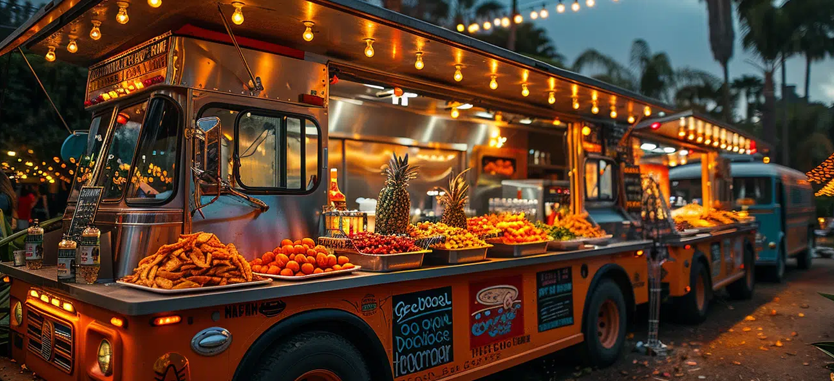
Another defining characteristic of gourmet food trucks is their attention to presentation and branding. While a regular truck might have a simple painted logo and handwritten menu, gourmet trucks often invest in eye-catching designs, professional branding, and even social media strategies.
Food is not just served—it’s plated and presented aesthetically, often with biodegradable packaging or unique garnishing that reflects the truck’s culinary style.
Commercial Kitchen Equipment @PartsFPS
4. Equipment and Setup
The kitchen equipment used in gourmet food trucks is often more advanced. These trucks need the ability to execute complex cooking techniques, from sous-vide to pan-searing and baking. Therefore, they are usually equipped with premium commercial appliances, such as convection ovens, griddles, high-powered blenders, and refrigeration units.
Maintaining this equipment is critical for consistent food quality. Many gourmet food truck owners turn to trusted suppliers like PartsFPS, which provides replacement parts for restaurant equipment. Whether it’s a failing fryer component or a worn-out gasket, PartsFPS ensures that operations run smoothly without compromising on food quality.
5. Pricing and Portion Size
With better ingredients and sophisticated preparation, gourmet food trucks tend to charge more than regular food trucks. While a standard taco might cost $2.50 at a regular truck, a gourmet version filled with slow-braised short ribs, kimchi, and aioli could cost $7 or more. Additionally, gourmet trucks may offer smaller but more refined portions, focusing on flavor and experience over sheer volume.
6. Target Audience
Gourmet food trucks often cater to a more niche or upscale clientele. You’ll commonly find them in business districts, urban food festivals, or private events like weddings and corporate parties. Their branding, menu, and prices are geared toward foodies, young professionals, and trend-savvy consumers who value experience as much as taste. In contrast, regular food trucks usually focus on high-traffic, blue-collar areas and prioritize quick service and affordability for the masses.
restaurant equipment parts @Partsfps
7. Sustainability and Ethics
More gourmet food trucks are embracing eco-conscious and ethical practices. From using compostable packaging to sourcing meat from humane farms, these businesses aim to align with modern values. While some regular food trucks also adopt these practices, it’s more prevalent and expected in the gourmet segment.
Conclusion
The gap between gourmet and regular food trucks is defined by quality, creativity, and customer experience. Gourmet trucks go the extra mile with high-end ingredients, chef-driven menus, refined branding, and cutting-edge equipment. As the food truck industry continues to grow, this distinction becomes even more pronounced.
For gourmet food truck owners, monitoring equipment performance is key to maintaining high standards. That’s why many rely on suppliers like PartsFPS to keep their kitchen gear in peak condition, ensuring they can serve gourmet meals that wow customers every time. Whether you're a food lover or a budding entrepreneur, understanding what makes a gourmet food truck stand out can help you appreciate the craft—and maybe even inspire your culinary venture on wheels.